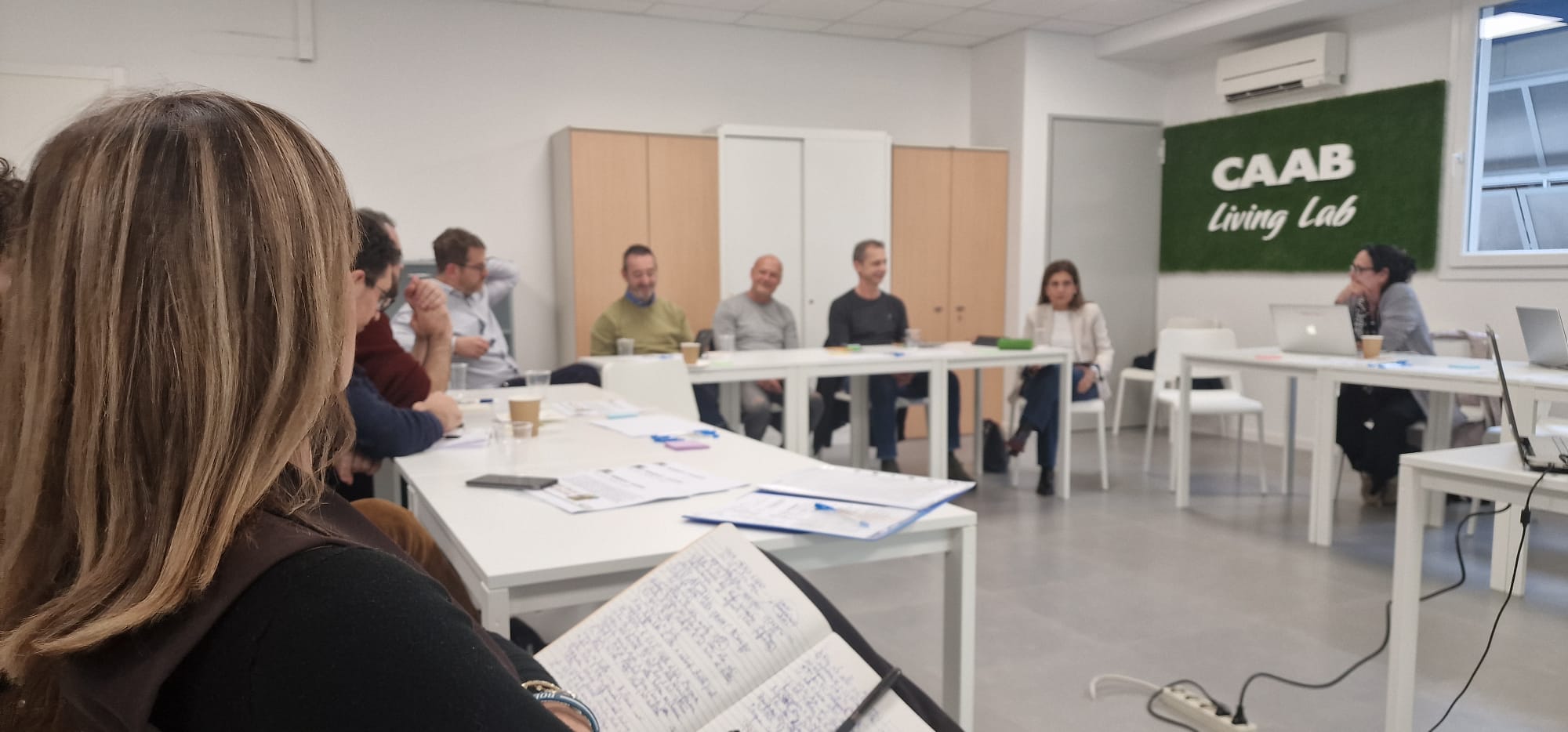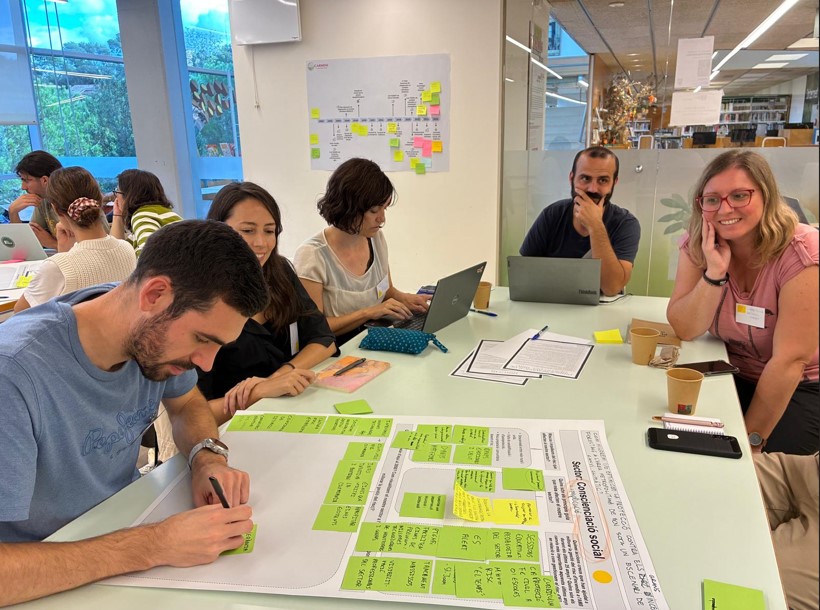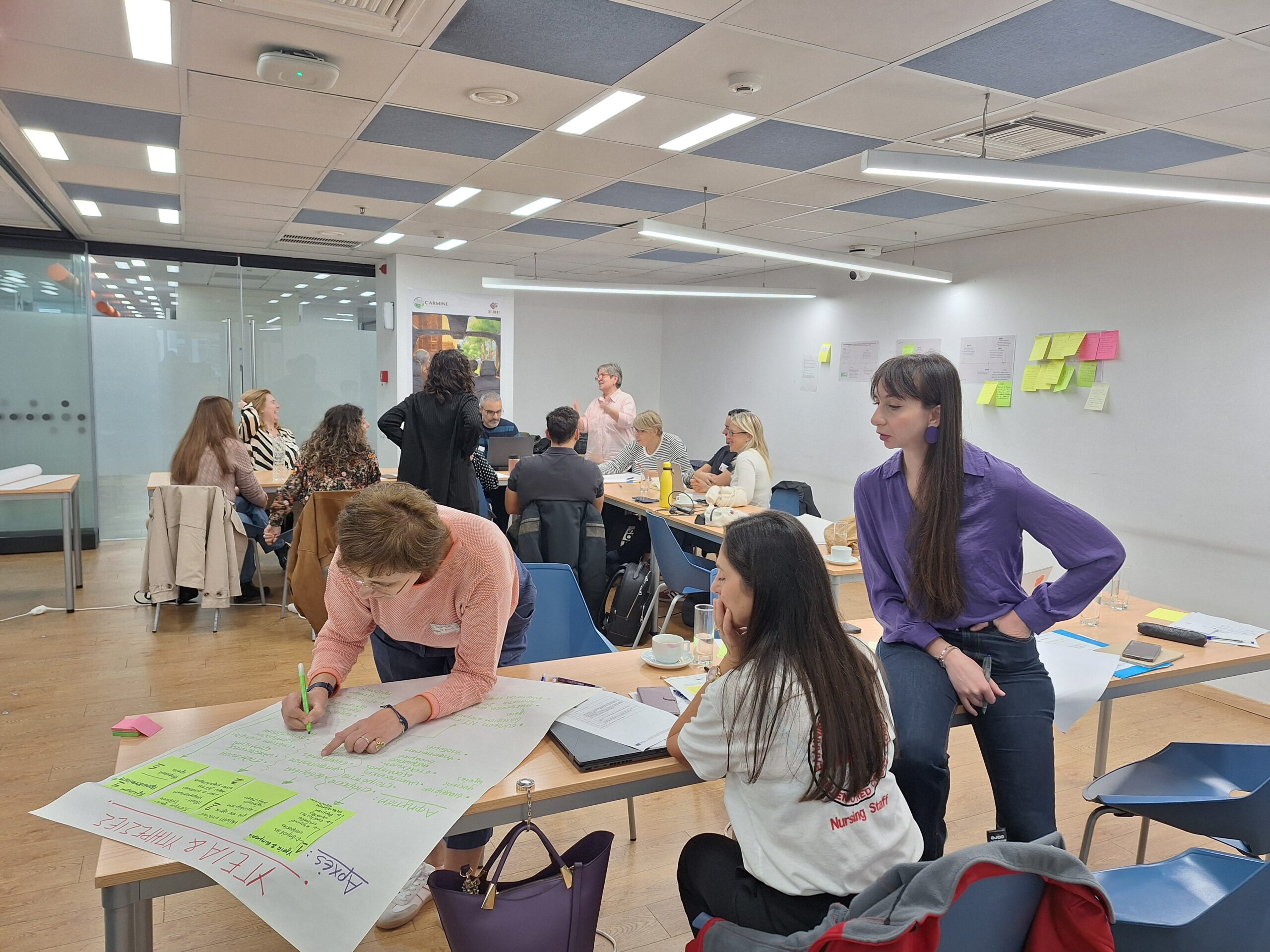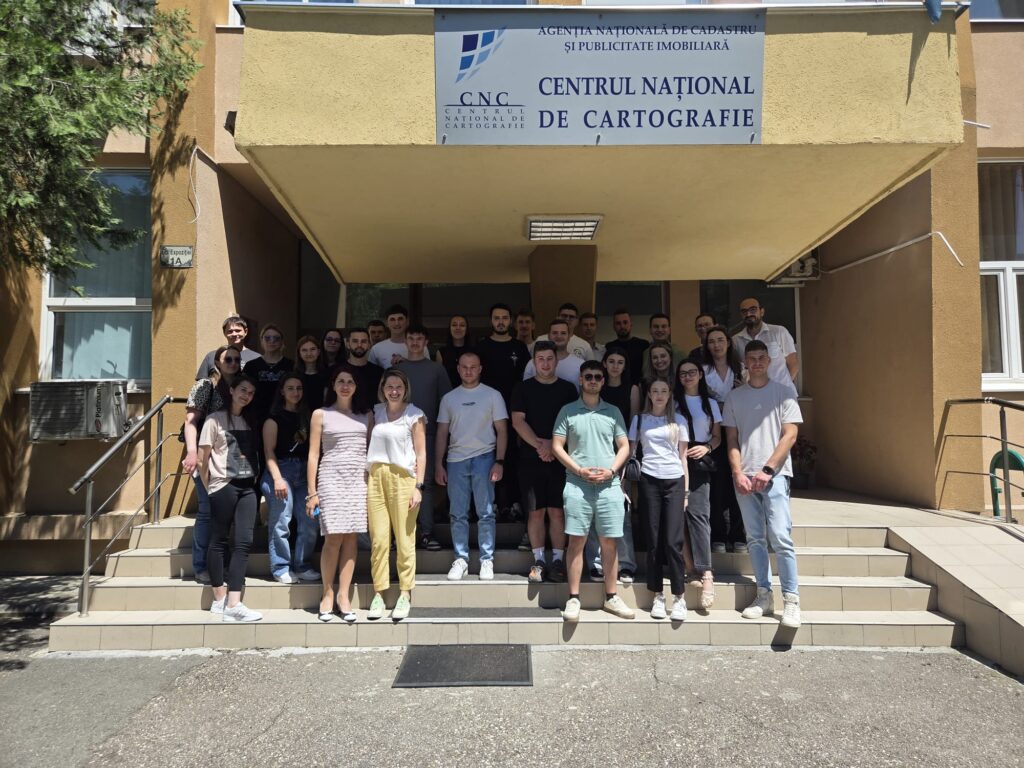
During their visit, students participated in hands-on sessions on Photogrammetry, Geodesy and the Romanian Position Determination System (ROMPOS), Digital Cartography and IT Services. CNC specialists also showcased the center’s national and international initiatives, highlighting progress and early results from the EU-funded CARMINE project where Brașov is a Case Study Area (CSA). The selection of Brașov as a case study was driven by the importance of guiding stakeholders toward more sustainable water management strategies as the metropolitan area faces increasing water scarcity due to drought and socio-economic development.
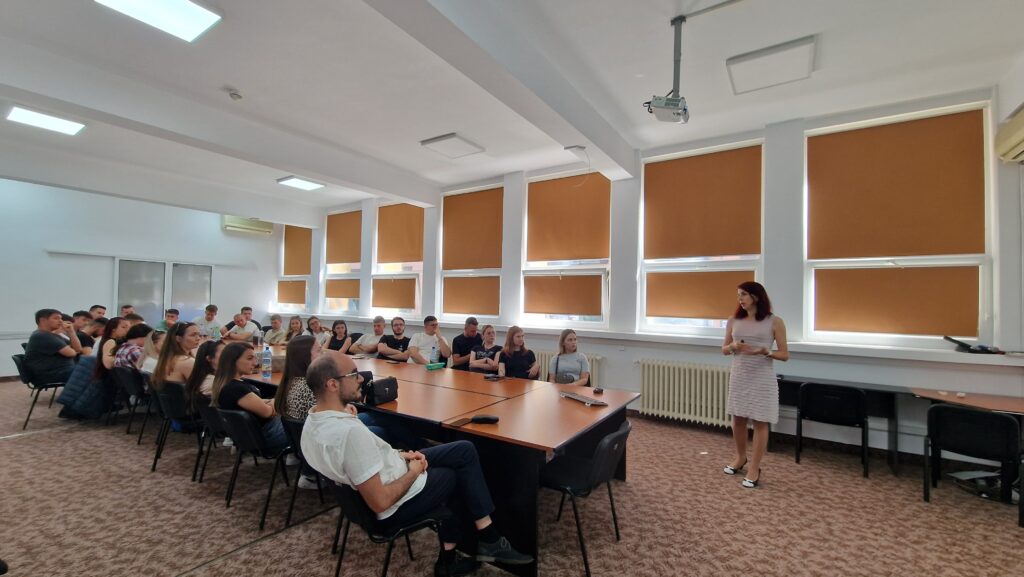
Solutions developed by CARMINE focus on mitigating water scarcity, water-related hazards, and heatwaves by using geospatial and meteorological data to determine appropriate nature-based solutions (NbS). Given the students’ local connection to the Brașov region, the CSA findings generated strong interest and sparked meaningful discussions on climate-change resilience.The visit demonstrated the involvement of local stakeholders in climate adaptation strategies, crucial to creating lasting change. It also contributed to equipping a new generation of professionals to tackle urban climate change challenges.