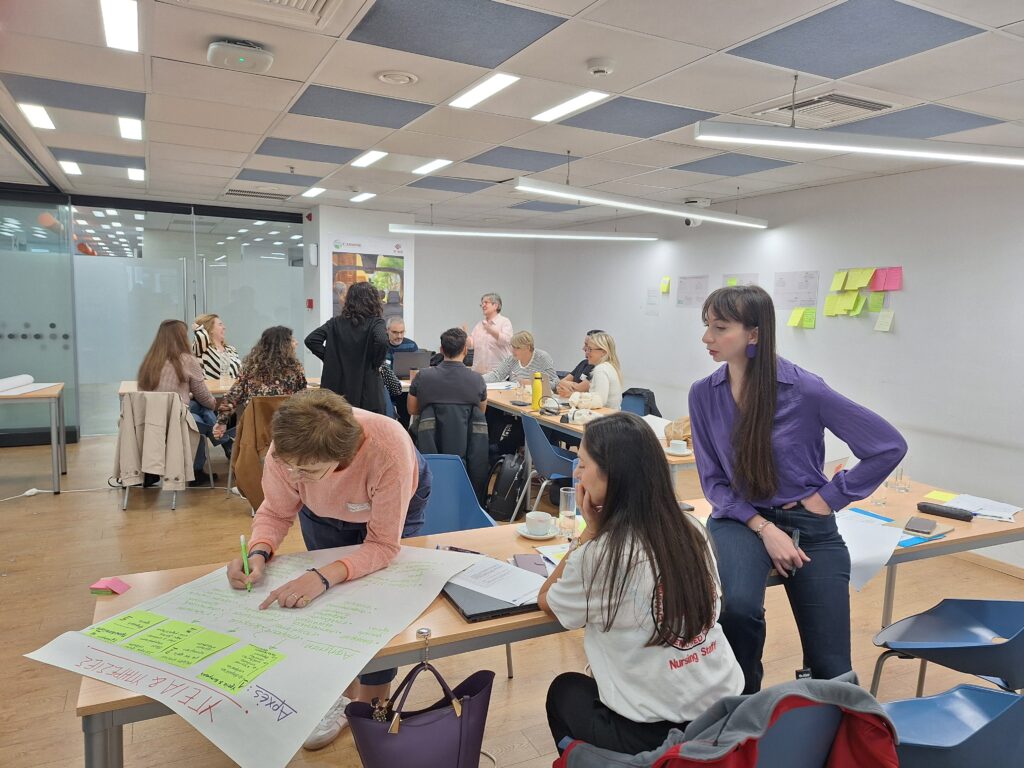
The Athens Living Lab is one of eight Living Labs in the CARMINE project (Climate Resilient Development Pathways in Metropolitan Regions of Europe). Through this project, the Athens Case Study Area aims to produce a range of impactful results based on science and diverse stakeholder engagement that will enhance the city’s resilience to extreme heat and contribute valuable insights for urban climate adaptation strategies. Participants in the Athens Living Lab include researchers, policymakers and practitioners working on health, housing, civil protection, social services, inclusion and community building, climate adaptation, urban planning, environmental management, education, climate resilient schools, youth engagement and leadership, and resilience planning.
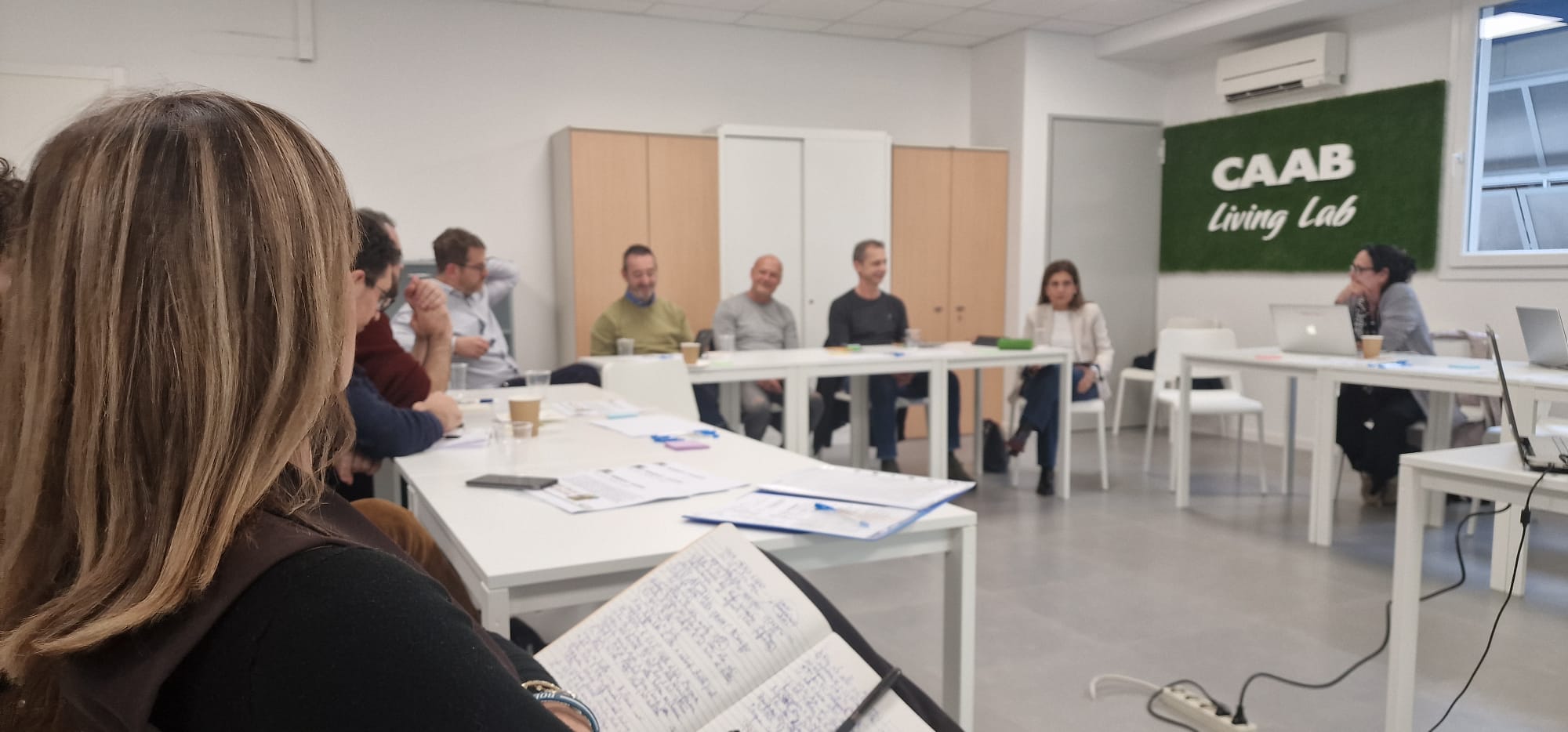
Organized by the Ministry of Digital Governance, the National Observatory of Athens (NOA) and New Metropolitan Attica S.A. (NMA), this second workshop brought together 30 participants from local, regional and national government authorities, research institutes, a government fund for climate adaptation, urban planning groups, civil society organisations and the media. A strategic collaboration with the Hellenic Red Cross (HRC) was announced, as the HRC provides extensive heat emergency response services – as well as risk awareness and preparedness outreach – ahead of heat season.
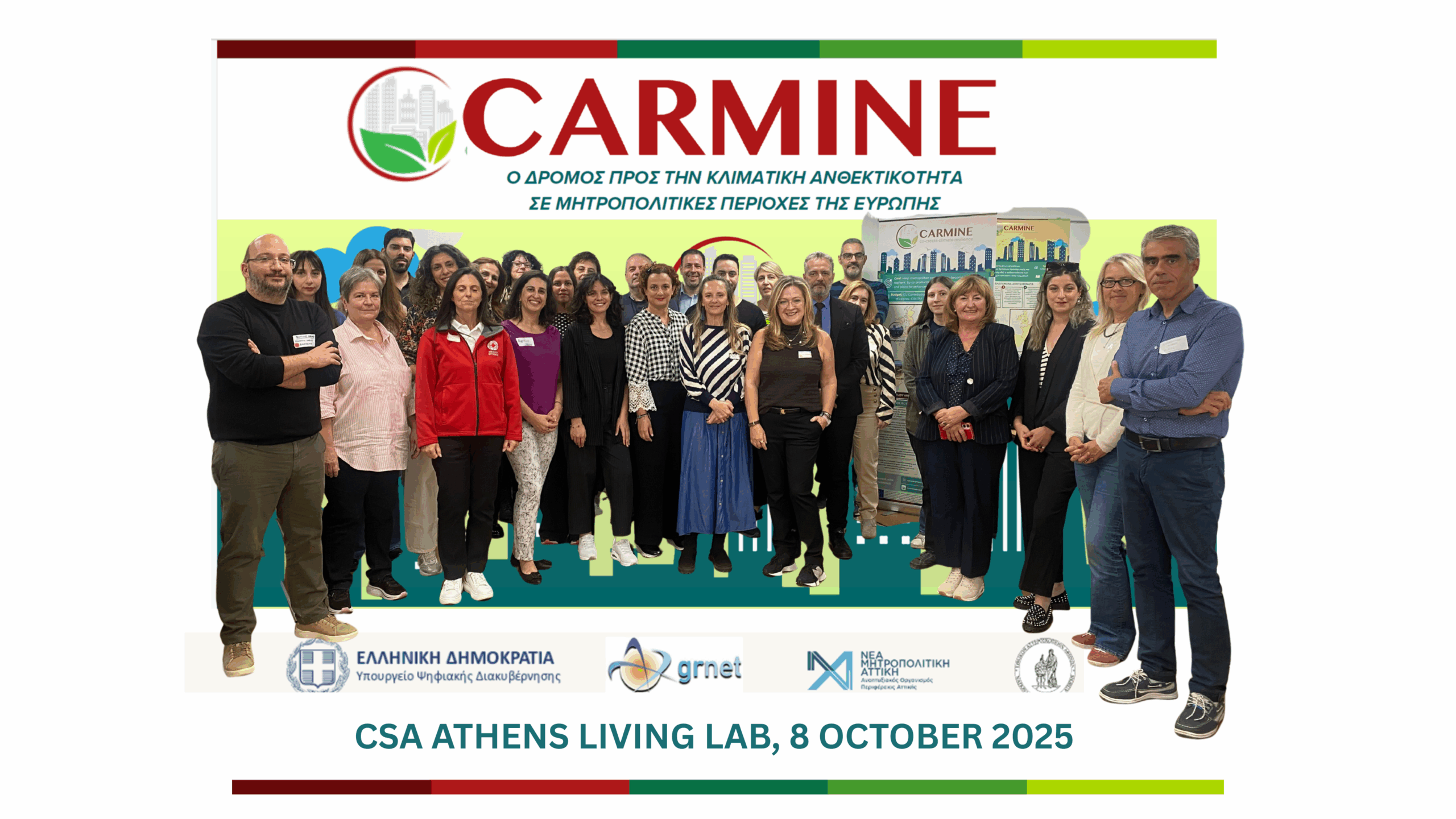
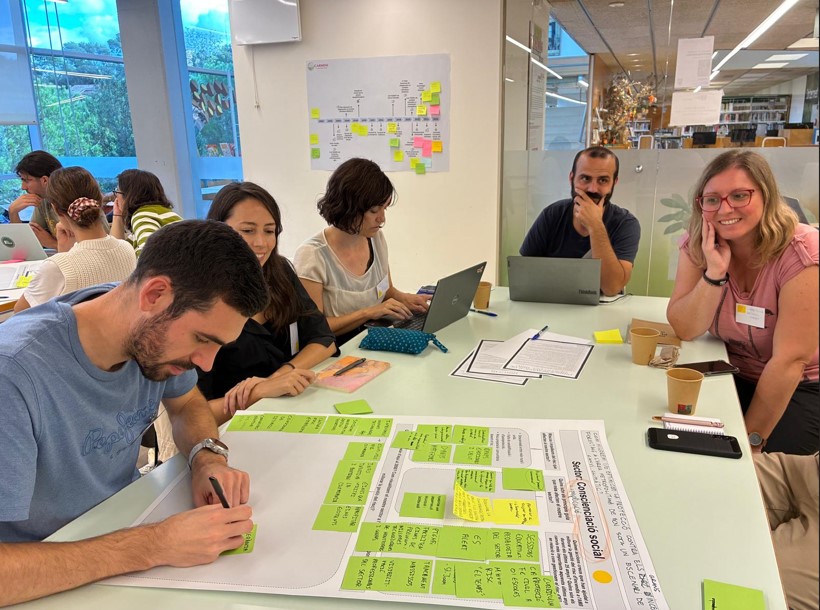
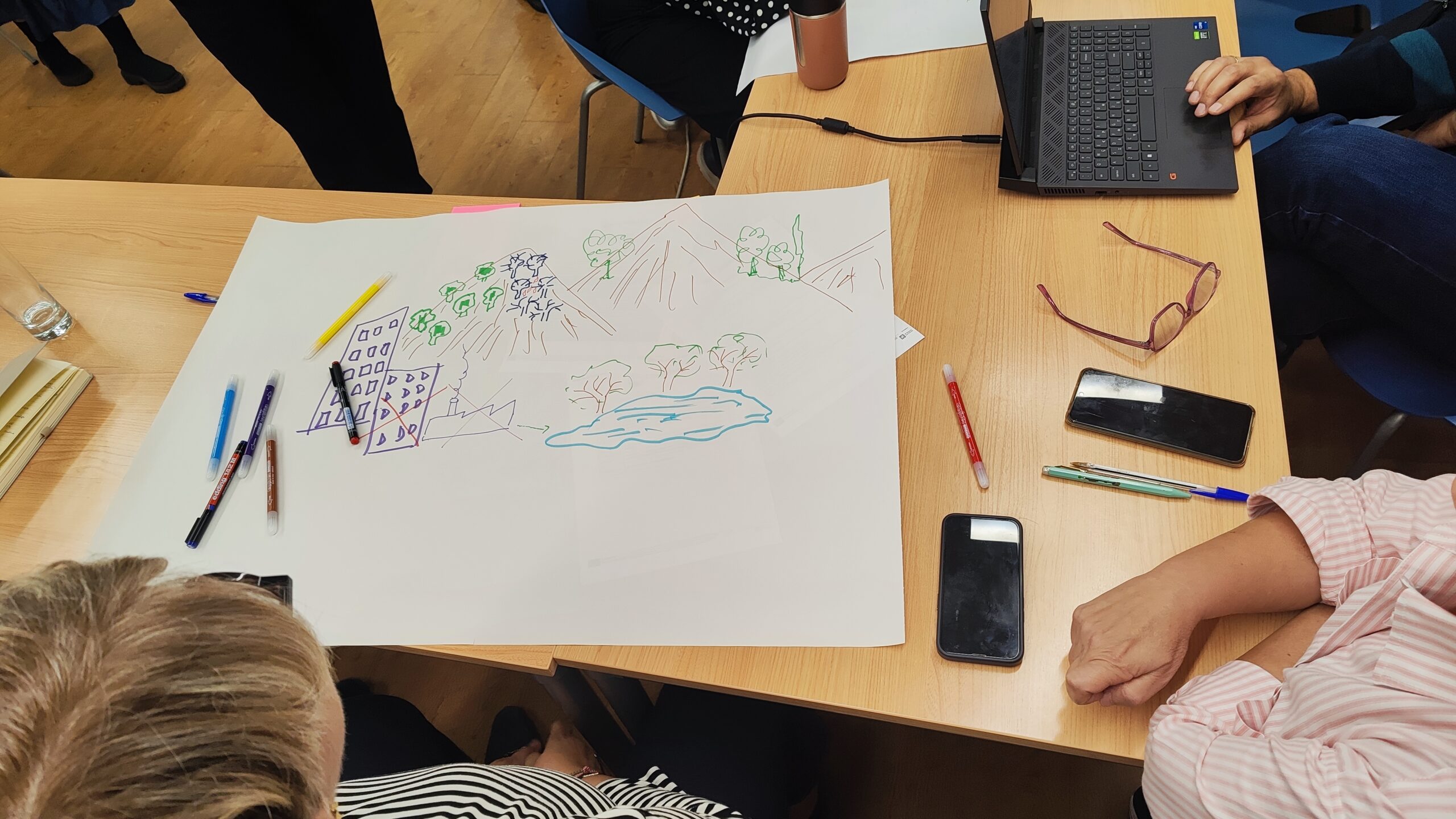
During the workshop, participants discussed ambitious yet realistic goals for addressing the growing challenge of urban heat and subsequent mortality and increased health risk in metropolitan Athens. In smaller groups, they discussed and narrated their visions for how crucial sectors (health, urban planning, housing and schools, and civil protection) can adapt to rising temperatures and reduce urban heat health risk by 2050 if they take action for climate adaptation, mitigation and resilience. These visions included goals such as:
- Buildings being zero-emission by 2050;
- All energy poverty being addressed;
- Civil society being actively involved in civil protection;
- The health system being adequately staffed and resourced to serve the health and wellbeing of individuals, the public, vulnerable groups, tourists and workers exposed to extreme heat;
- Advanced technological tools and continuous training being used for predicting and responding to natural hazards and climate-related disasters and delivering early warnings;
- More large green spaces being created within the urban area;
- Green networks, urban forests and restored streams extending throughout Athens;
- Peri-urban and mountain forest ecosystems being restored, protected and sustainably managed;
- More data and tools being available to understand, monitor and respond to risk;
- Collaboration across sectors for urban heat resilience and for multi-hazard risk assessment and adaptation.
Before looking forward 25 years to shape their visions for 2050, participants looked back 25 years to refresh their perspective on how quickly or slowly climate risks, policies and action can progress in this timespan. Within the past 25 years, three reports by the Intergovernmental Panel on Climate Change (IPCC) were released, the 2003 European Heatwave occurred, and climate targets, strategies and legislation were adopted at the international, European and national level, while Athens experienced record-breaking heatwaves within the last four years. Notably, workshop participants added regional and national legislation and strategies, local actions and other climate-related developments that emerged in the last few years, since 2021, illustrating that climate change awareness and action is ramping up, and the related developments over the past two decades contributed to the current momentum.
The workshop also featured a presentation and discussion on the DT-HEAT+ Digital Twin for heat on board the Destination Earth (DestinE) Platform and its pilot operation during the summer of 2025. DT-HEAT+ started as a heat mortality estimator, but is expanding progressively to exemplify how Earth Observation, AI, and predictive modelling can be leveraged within ESA’s DestinE to address urban heat in cities.
Participants discussed how this data-driven digital solution can contribute to long-term planning for extreme heat health risk, enhance emergency response and strengthen risk awareness. DT-HEAT+ can be accessed here: https://destinationearth.sense-noa.gr/dt-heat/dashboard.
This summer, the CARMINE Athens team developed and disseminated a questionnaire to 40 municipalities in the metropolitan area to gain a better understanding of heat health risk planning and the use of nature-based solutions for urban cooling across the area. Preliminary findings from the questionnaires – completed by 17 individuals from 15 municipalities – were presented at the workshop. One of the most interesting findings is that while 82% of respondents indicated that extreme heat is a high or medium priority for their municipality (47% high, 35% medium), 65% of respondents reported that their municipality does not have a heat health action plan, though most of them are interested in developing one. The survey remains open and the results and analysis will be reported at a later time.
The third workshop of the Athens Living Lab will take place in 2026.
Learn more about the Athens Living Lab and other living labs in CARMINE by visiting the Stakeholders Community Hub: https://schub.carmine-project.eu
The National Observatory of Athens (NOA) is a leading Greek Research Centre focused on advancing Space Sciences and their practical applications, with a proven track record of impactful contributions. NOA is participating in CARMINE work with two Institutes: the Institute for Astronomy, Astrophysics, Space Applications & Remote Sensing (IAASARS) and the Institute for Environmental Research and Sustainable Development (IERSD).
The Hellenic Ministry of Digital Governance (MoDG) operates as a public administration unit and brings together all critical IT and telecommunications structures involved in the provision of electronic services to citizens and the broader digital transformation of the country. MoDG supports CARMINE as an Associate Partner.
The National Infrastructures for Research and Technology (GRNET – EDYTE S.A.) is one of Greece’s largest public tech agencies under the Hellenic Ministry of Digital Governance. Since 1998, it has been driving digital transformation through data centers, high-performance computing, secure networks and cutting-edge innovation in AI and digital skills.
“New Metropolitan Attica S.A.” (NMA) as a Regional Development Organization of Attica operates with the purpose of contributing to the planning and actualisation of development initiatives and projects which support the wider developmental targets and priorities of the Region of Attica. Major reference points for the Organization are the enhancement of social cohesion and the improvement of the quality of life both in and beyond Attica.