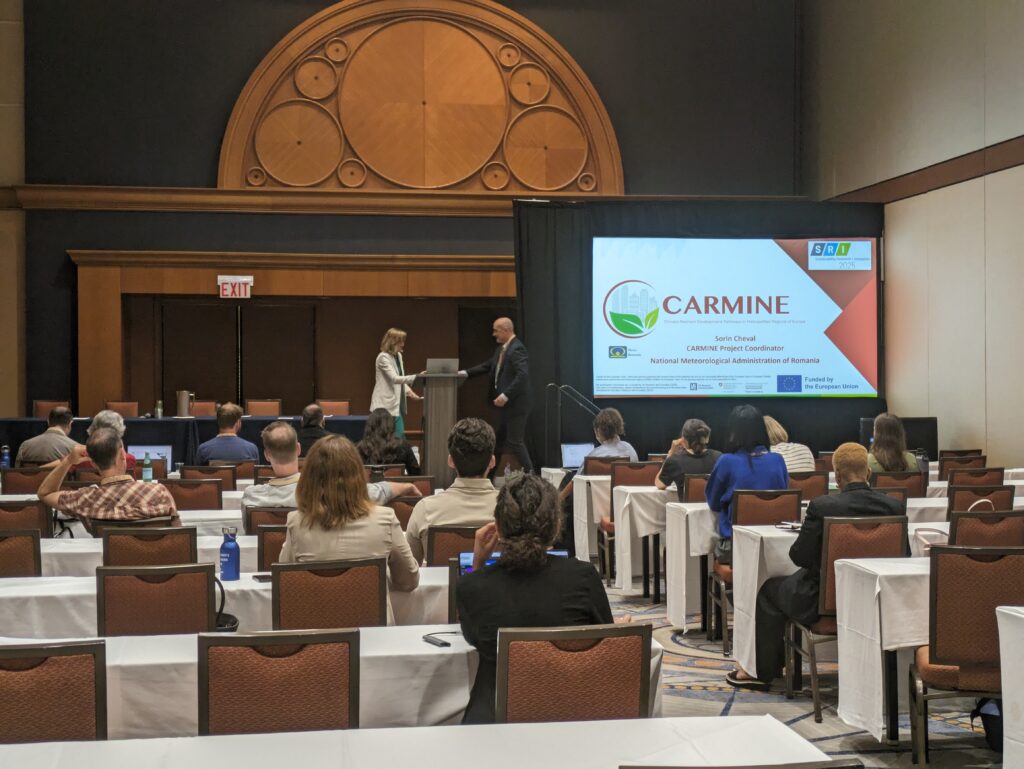
The Sustainability Research and Innovation Congress is an annual conference highlighting actionable, inclusive, and evidence-based approaches to climate change. The 2025 congress, which took place from June 16 -19, marked its fifth anniversary, as well as its first time being hosted in North America. As Lead Partner, the Sustainable Development Solutions Network contributed to program development, organizing an event called “Pathways to Climate Resilience Innovative Adaptation Strategies for a Sustainable Future,” showcasing innovative climate adaptation initiatives including the CARMINE project. Dr. Sorin Cheval, project coordinator, spoke on behalf of CARMINE. In addition to his role as project coordinator, Dr. Cheval is a senior climatologist and researcher at the National Meteorological Administration of Romania where he specializes in climate variability climate modeling, and urban climate.
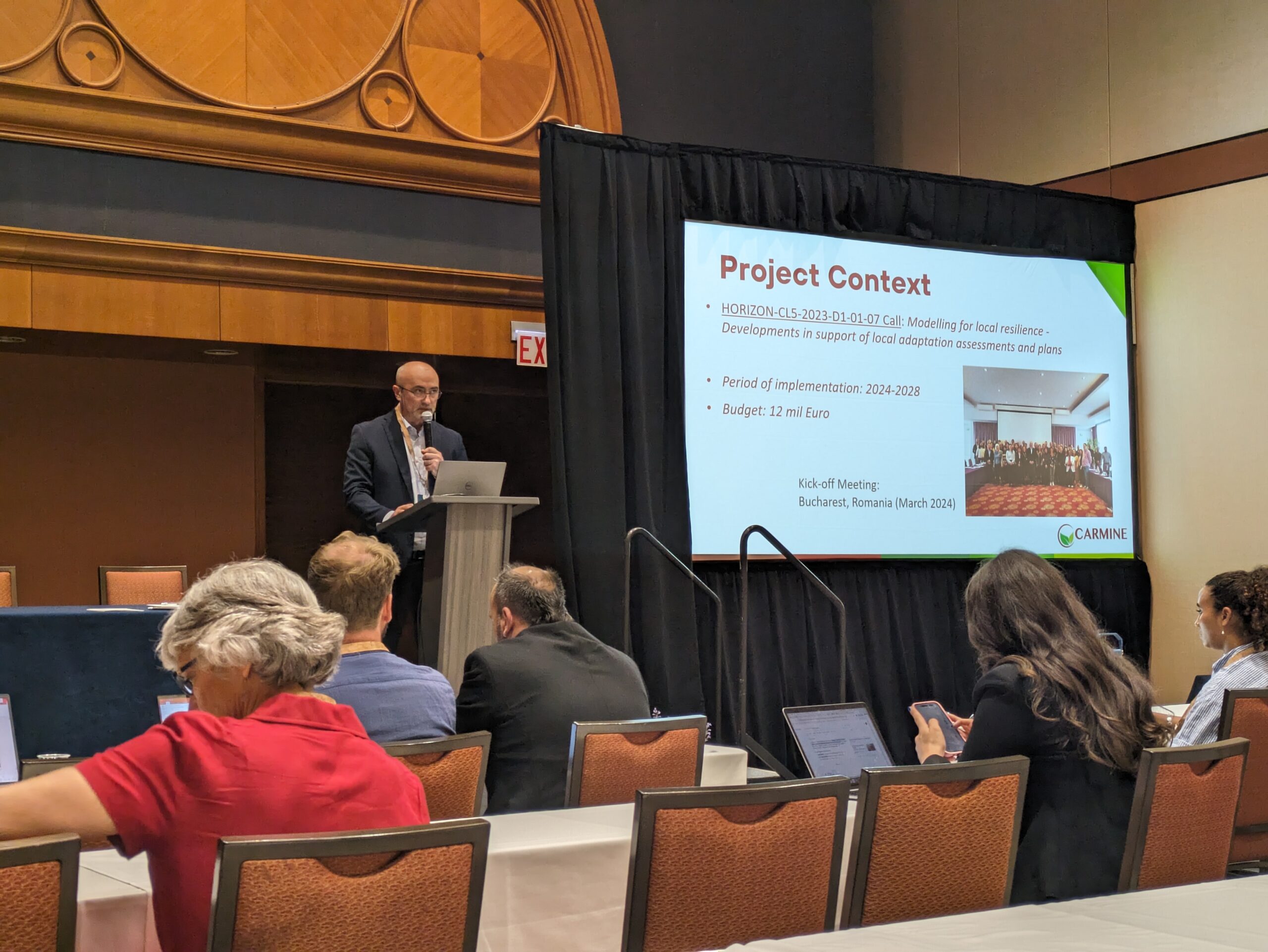
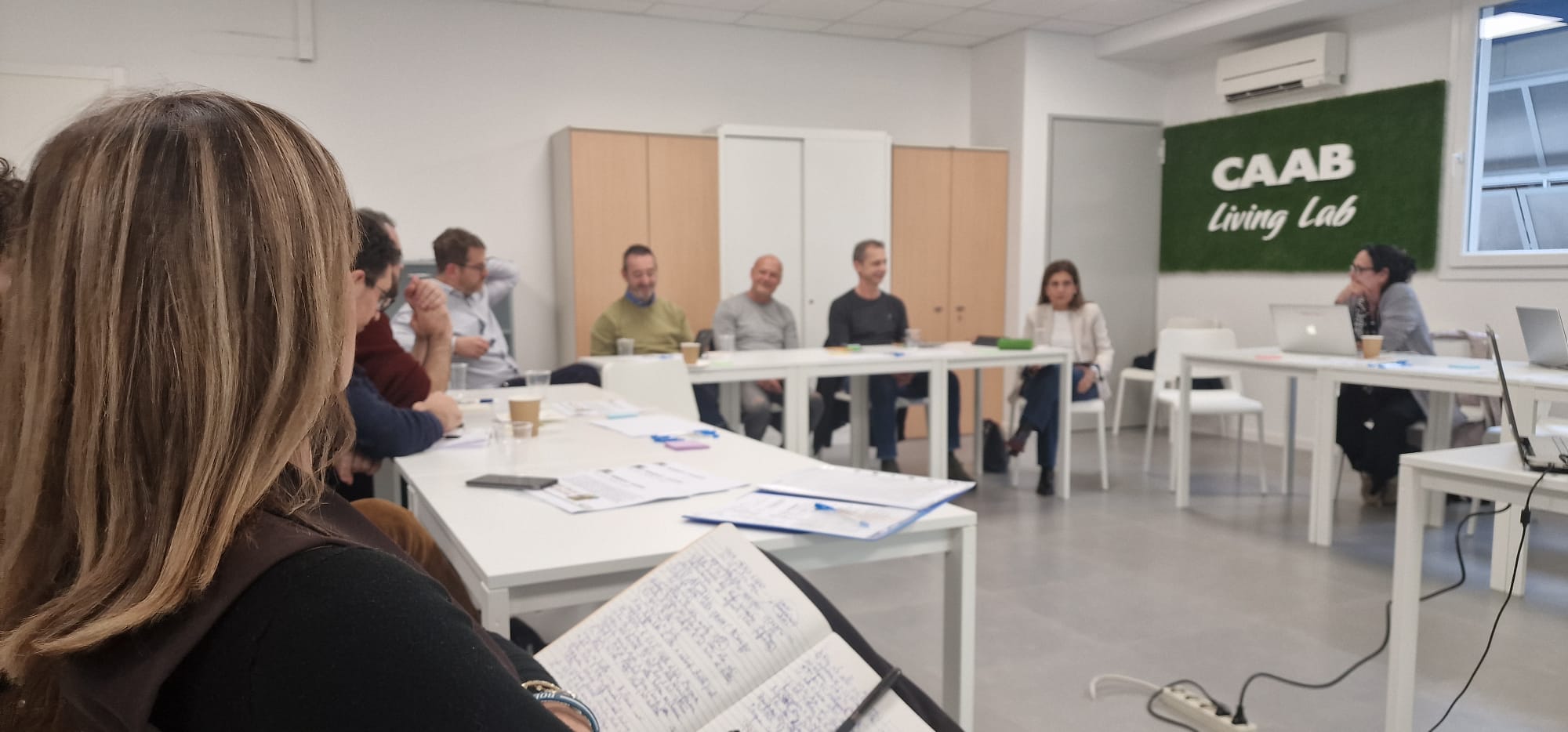
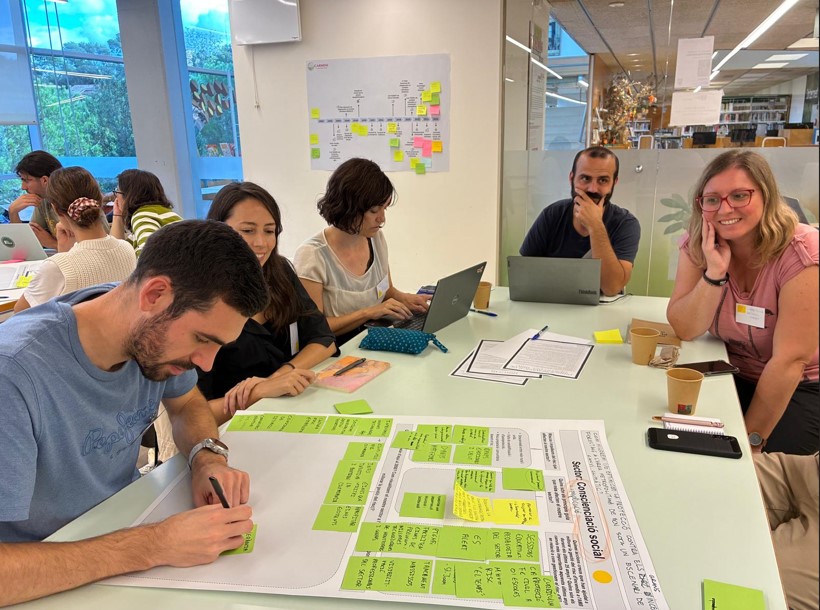
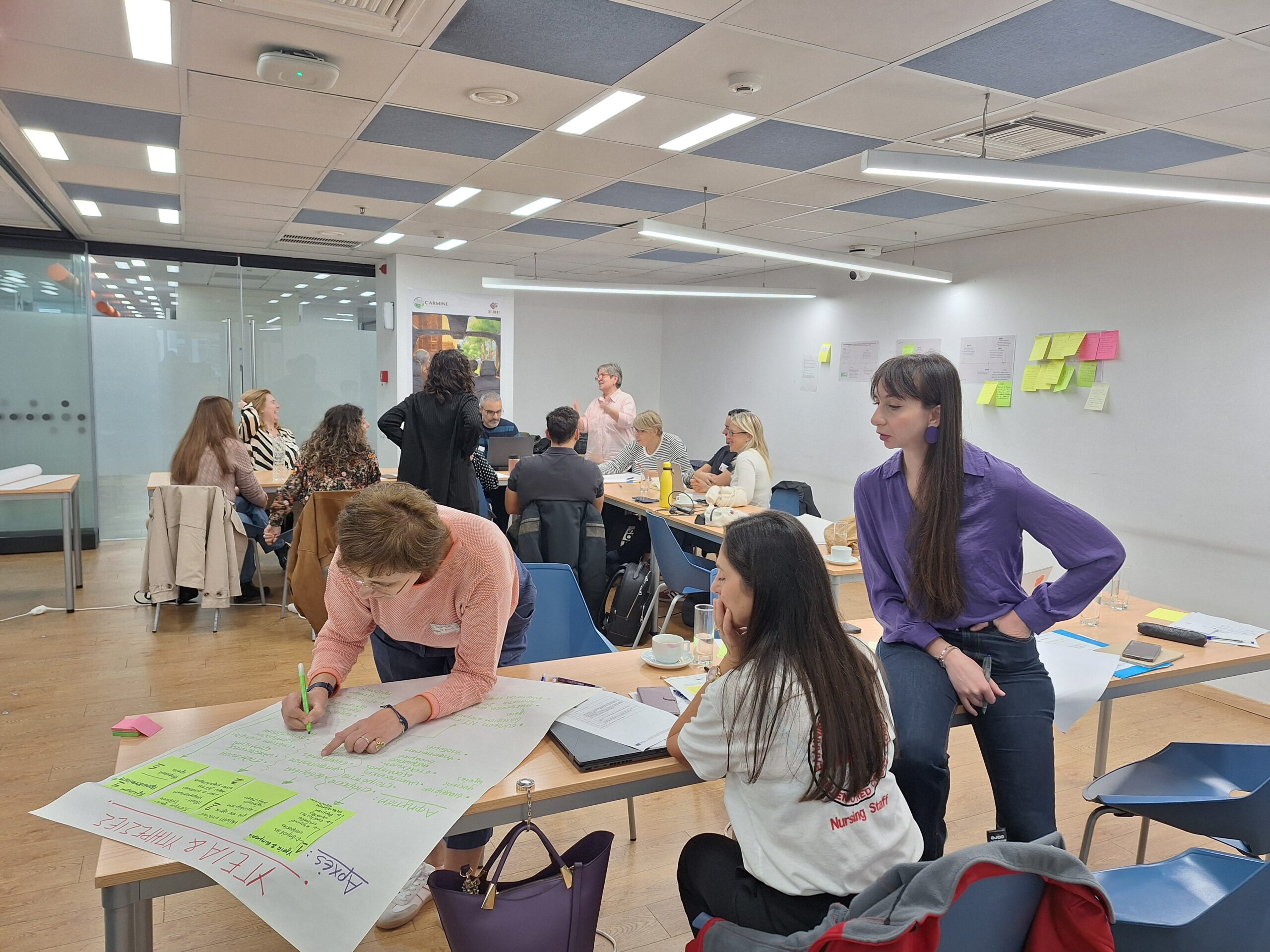
Dr. Cheval gave an overview of CARMINE’s objectives and methodology. He underscored better informing decision-makers across governance levels, integrating both traditional and nature-based solutions (NbS). Central to the CARMINE is its incorporation of stakeholders into the design and evaluation of adaptation strategies through Living Labs (LLs) across eight European Case Study Areas. With collaboration spanning science, policy, community, and local authorities, CARMINE aims to create long-term sustainability and locally tailored solutions. He also highlighted another crucial aspect to achieving these goals: Digital Twins (DTs). DTs stimulate real-time climate risks and interventions customized to each metropolitan context. Using high-resolution models and AI, the project addresses key hazards such as urban heat, drought, water scarcity, flooding, and wildfire. The outputs are materialized in impact-based roadmaps, spatial plans, and scenario narratives.
At its core, CARMINE emphasizes inclusivity, ensuring vulnerable communities are actively engaged in the eight LLs. With a 2030–2035 implementation horizon and long-term vision to 2050, Cheval affirmed that CARMINE is more than a research project. It is a transformative model that fuses science, technology, and stakeholder insight to build resilient, future-ready European cities and metropolitan regions.