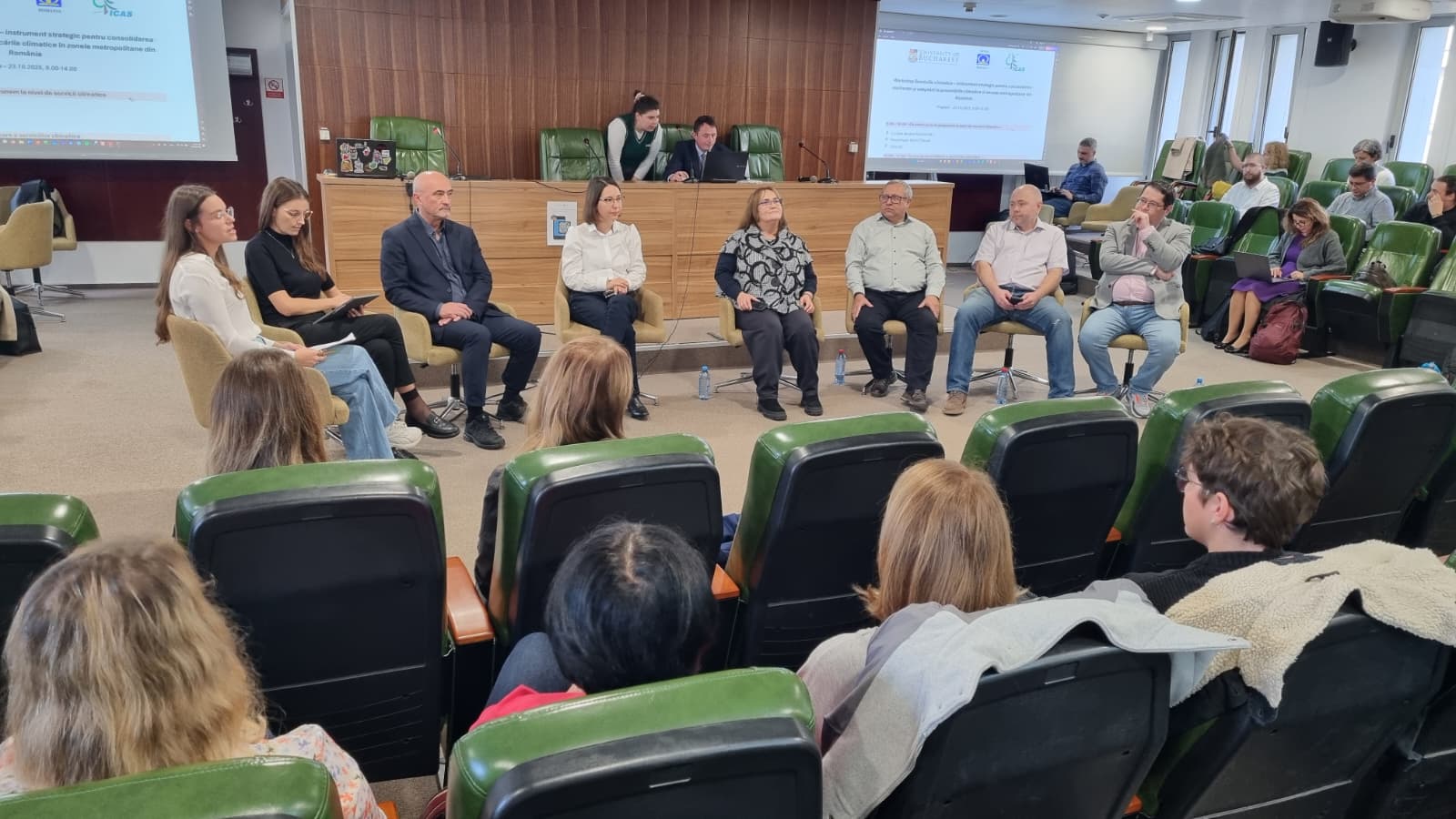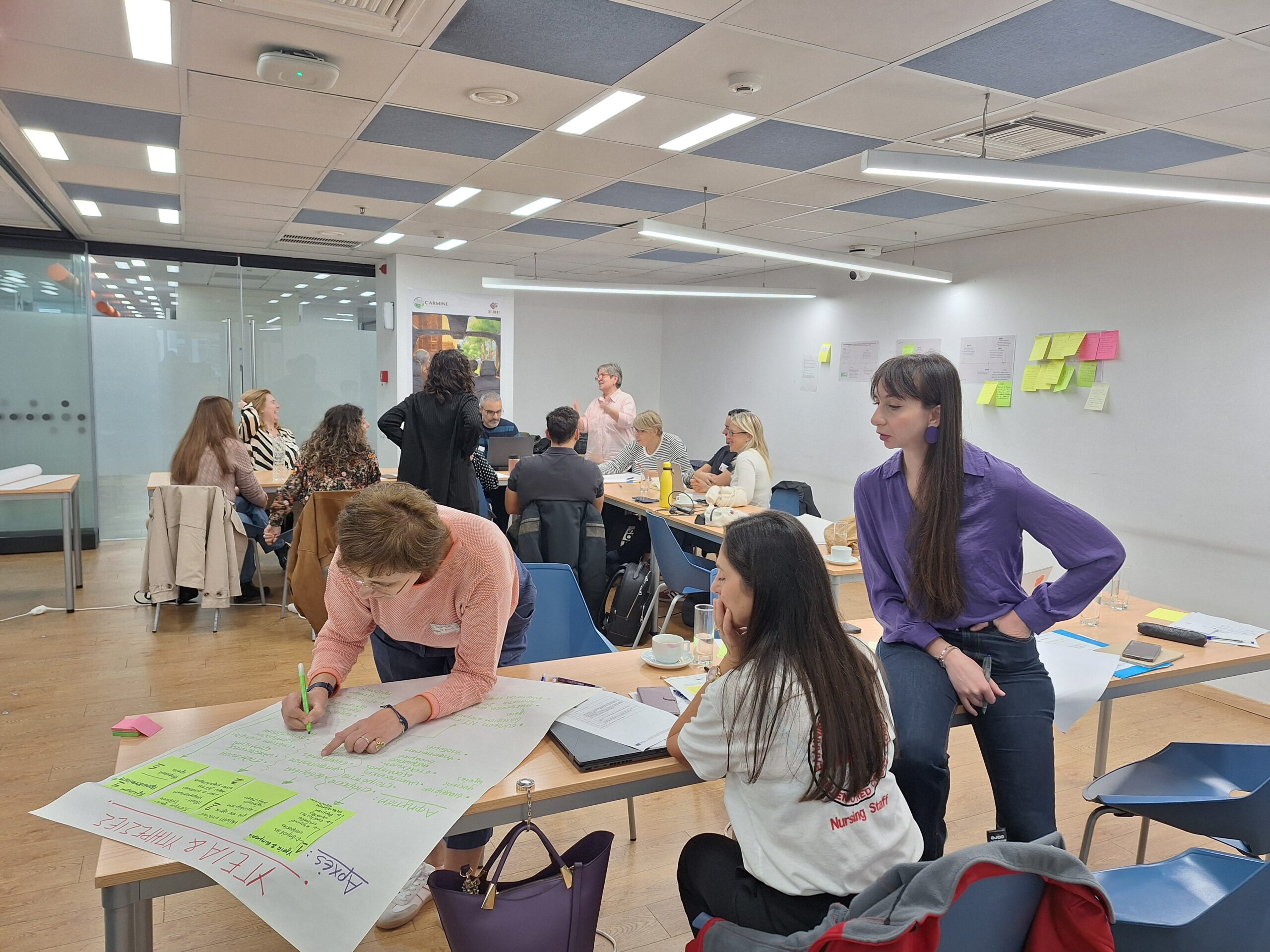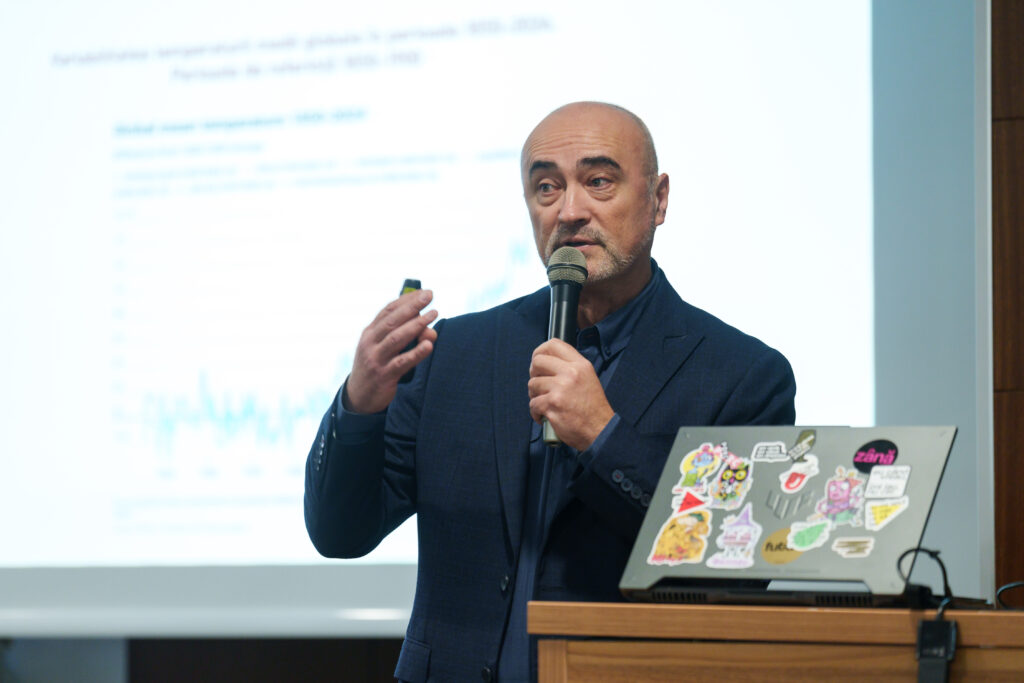
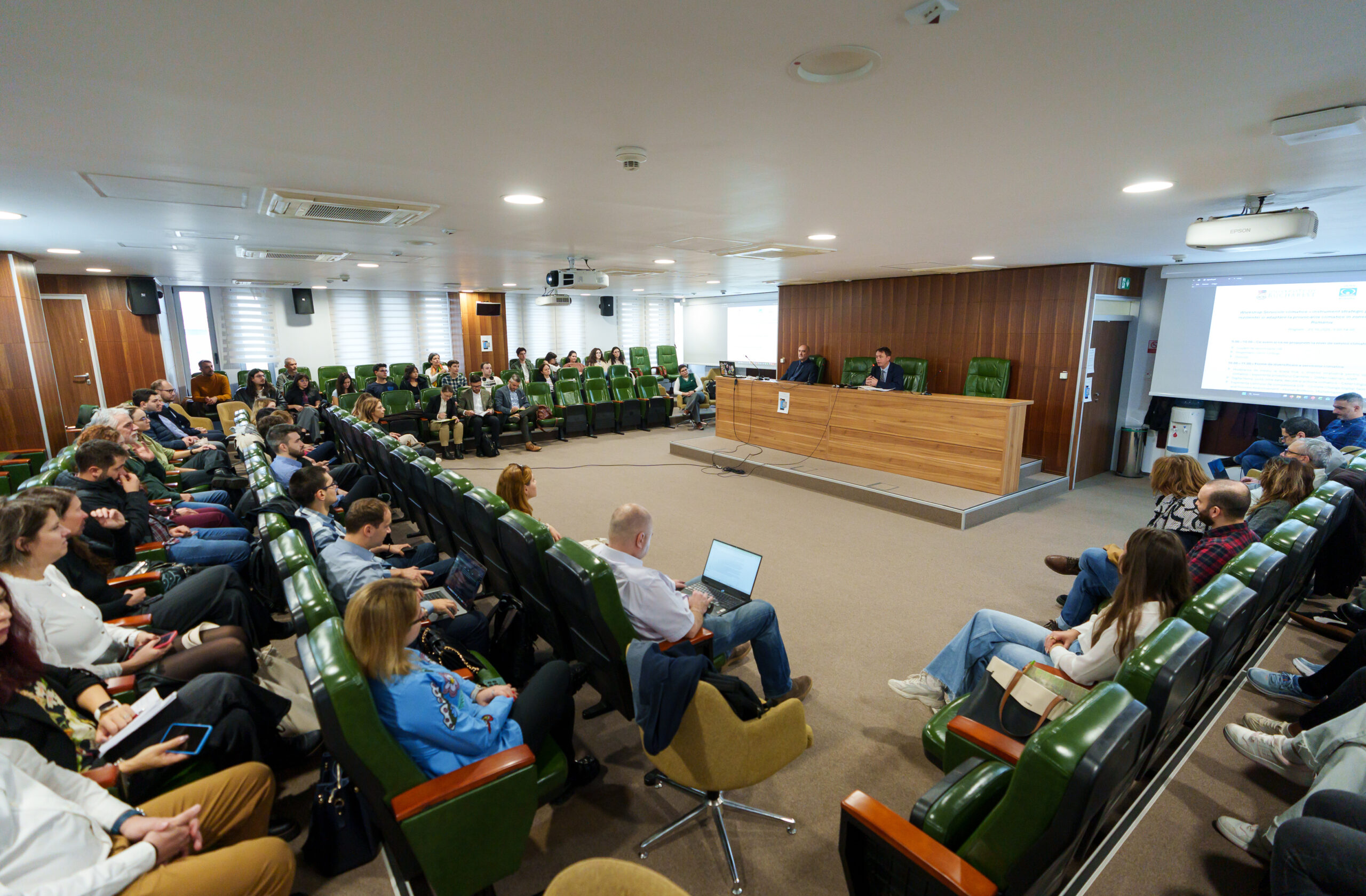
The event brought together 87 participants from a wide range of sectors, including academia (professors, researchers, PhD and master’s students), public institutions such as the Romanian National Meteorological Administration (ANM), the National Cartography Center, Bucharest City Hall, the Romanian Space Agency (ROSA), the Executive Agency for Higher Education, Research, Development and Innovation Funding (UEFISCDI) and the Ministry of Research, Innovation and Digitalisation. Representatives from the private sector (Multidimension SRL, GEOSTUD), civil society (InformART, Intercommunity Development Association Bucharest Metropolitan Area, Group of the European Youth for Change – GEYC, Avalanches in the Carpathians, Proreciclare), media (Antena Group), and politics (former Bucharest City Councilor Ana Ciceală) also took part.
Notably, representatives from two competence centres established through the National Recovery and Resilience Plan were present:
- DTE Climate – for climate change adaptation (coordinated by the National University of Science and Technology Politehnica Bucharest); and
- ResPonSE – for aquatic ecosystem reconstruction and protection (coordinated by the University of Bucharest).
The workshop was structured into three parts:
- Climate Services – A Strategic Tool for Metropolitan Resilience
Opened by Prof. Dr. Cristian Iojă, who emphasised the importance of climate services in supporting urban and regional adaptation. Prof. Dr. Sorin Cheval presented the transformation of raw climate data into indicators and services, highlighting co-production, continuity, integration, and accessibility.
- Diversifying Climate Services – Best Practice Examples
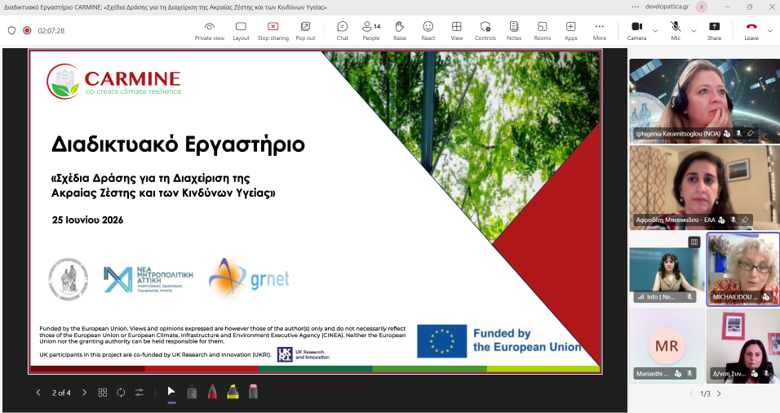
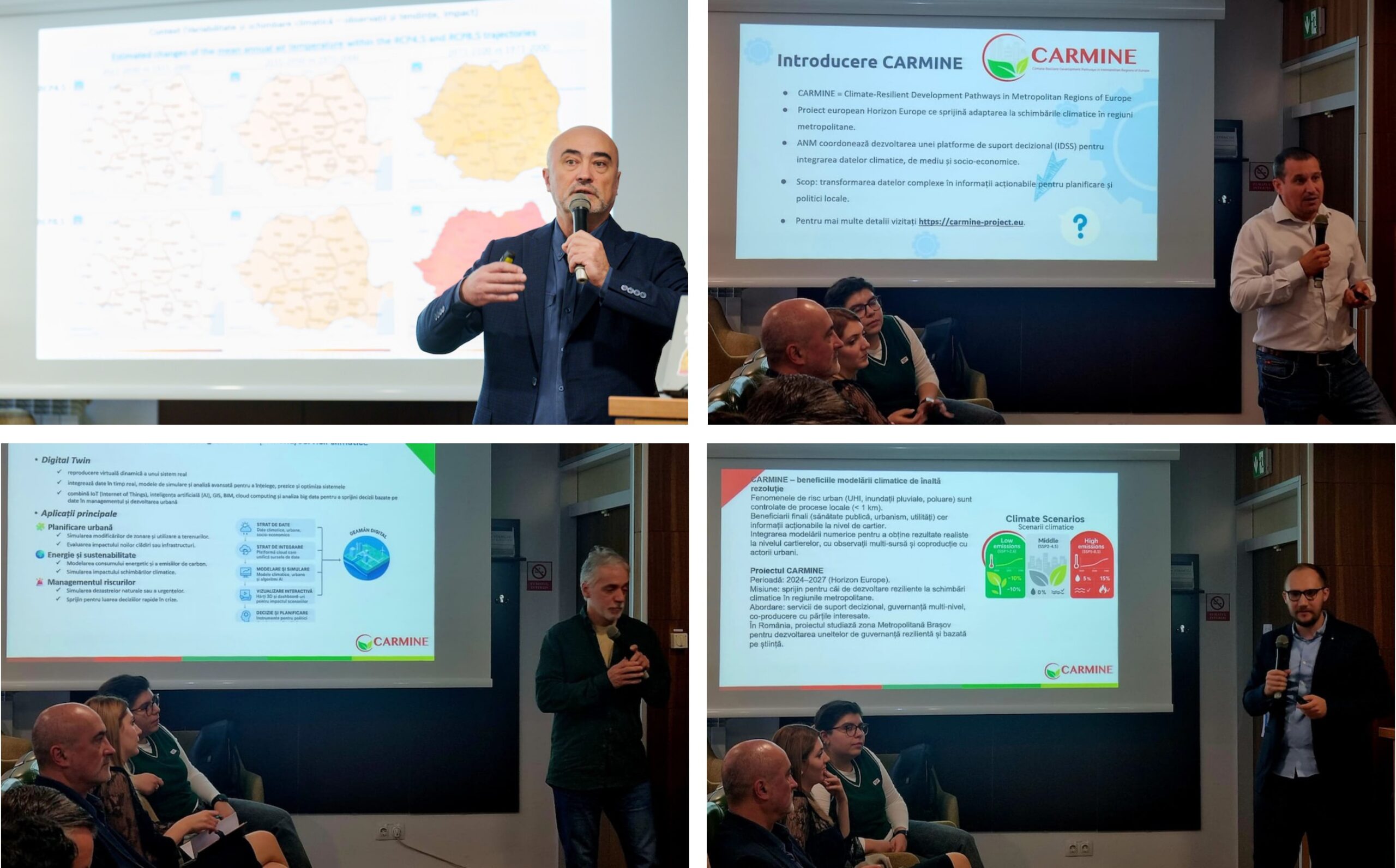
This section focused on the CARMINE project and included presentations on:
- Fine-scale environmental modeling (Ștefan Gabrian, ANM),
- Digital twins for climate action (Cezar Ungurean, INCDS),
- DTE Climate’s digital twin experience (Florian Bodescu, Multidimension SRL),
- Decision-support platforms (Vasile Crăciunescu, ANM),
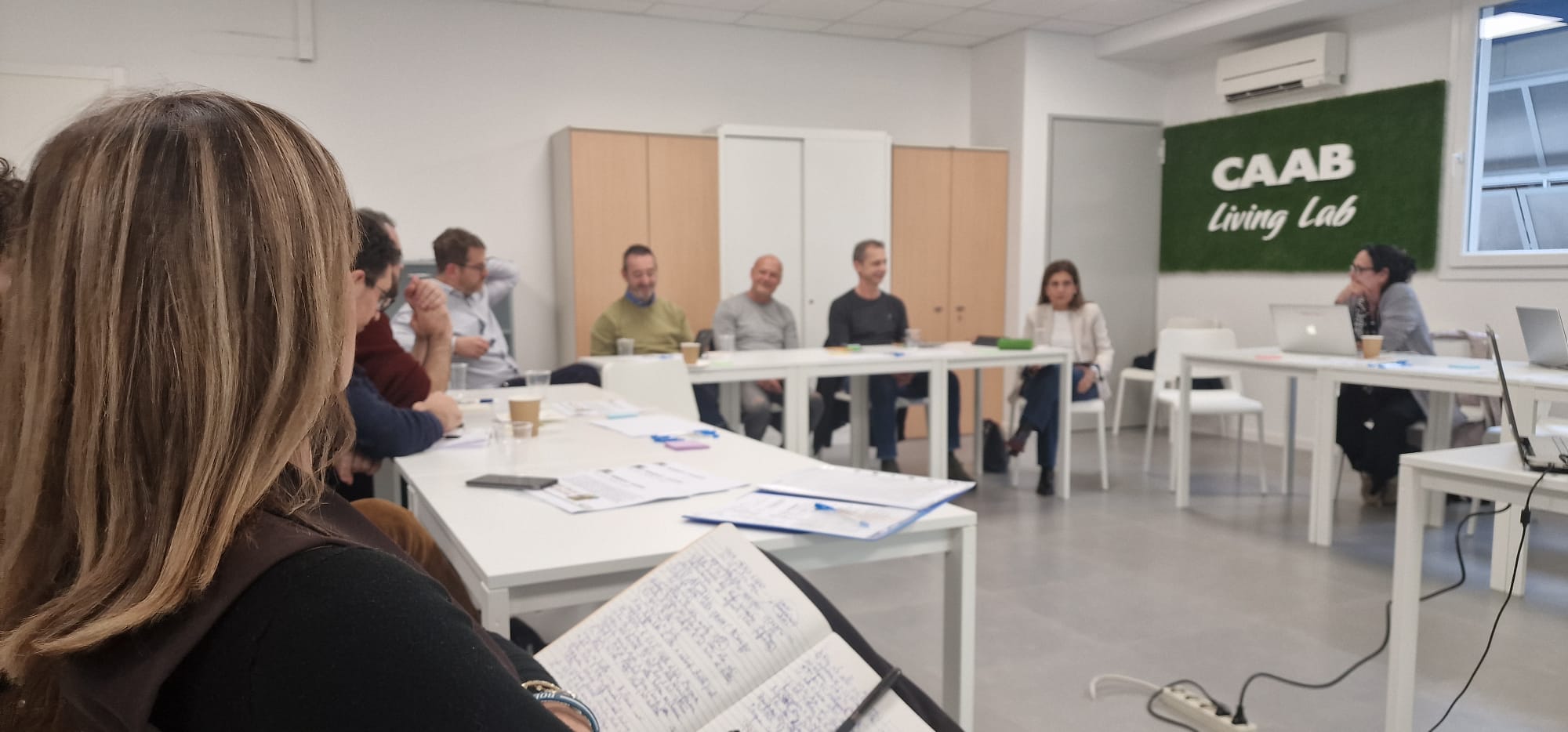
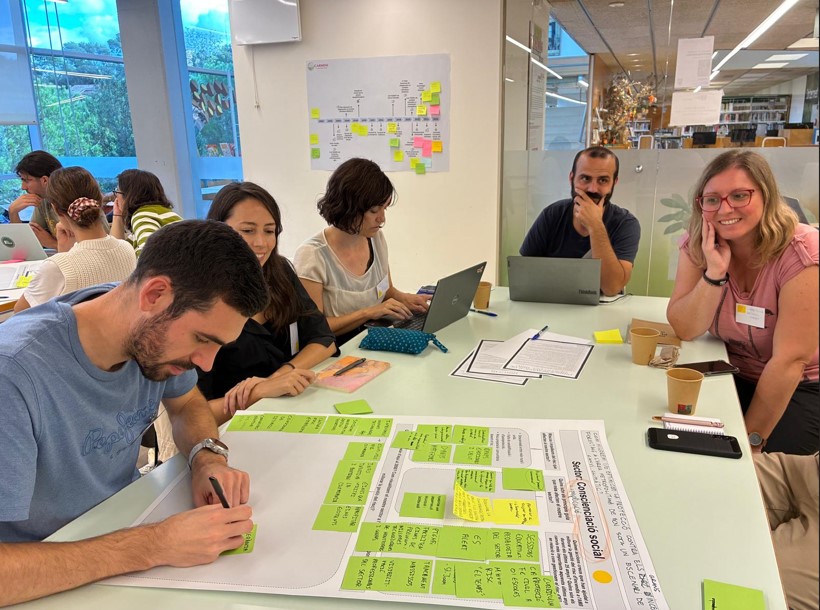
- Living Labs as institutional infrastructures (Mihai Niță, UB),
- Citizen science as a catalyst for innovation (Cristian Iojă, UB, referencing ScienceUs).
- Panel Discussion – Challenges and Solutions for Climate Service Development
Moderated by Ana-Maria Todoran (University of Bucharest), the panel included representatives from across the quadruple helix: Sorin Cheval (Romanian National Meteorological Administration), Ana Ciceală (politician, SENS party), Mihai Niță (academia – University of Bucharest), Marius Matache (NGO – InformART), Florian Bodescu (industry – Multidimension SRL), Claudia Pamfil (public institution – Metropolitan Region Association, ADIZMB), and Carmen Prodan (public institution – Bucharest City Hall).
Topics discussed included institutional alignment, the role of civil society, education and research contributions, decision-making under uncertainty, and mechanisms for data integration and collaboration.
The workshop highlighted the strategic role of climate services in supporting metropolitan adaptation and resilience, underscoring the need for stronger cooperation between producers and users. Participants emphasised climate education, synergies between European projects, and the role of science in generating relevant data and questions.